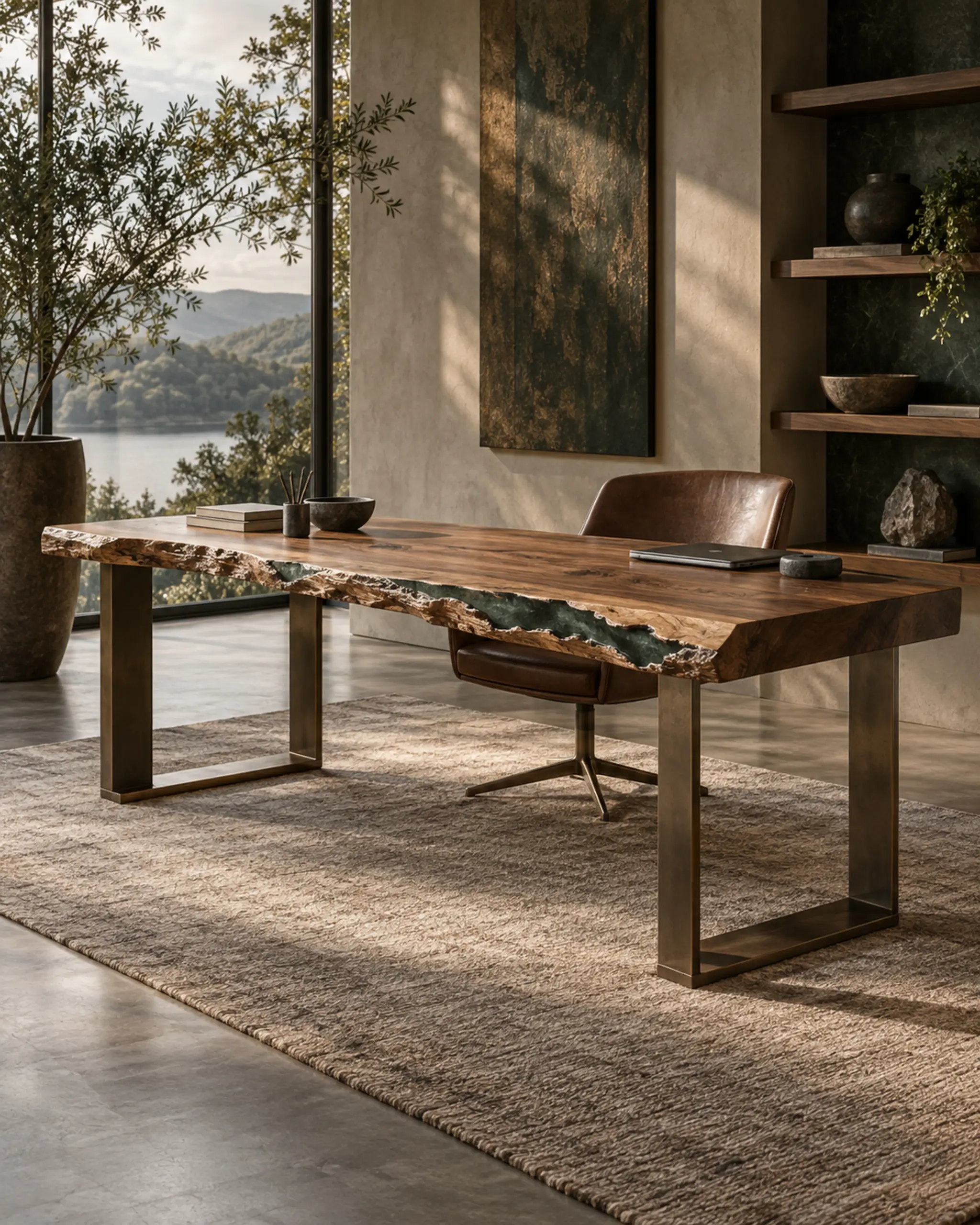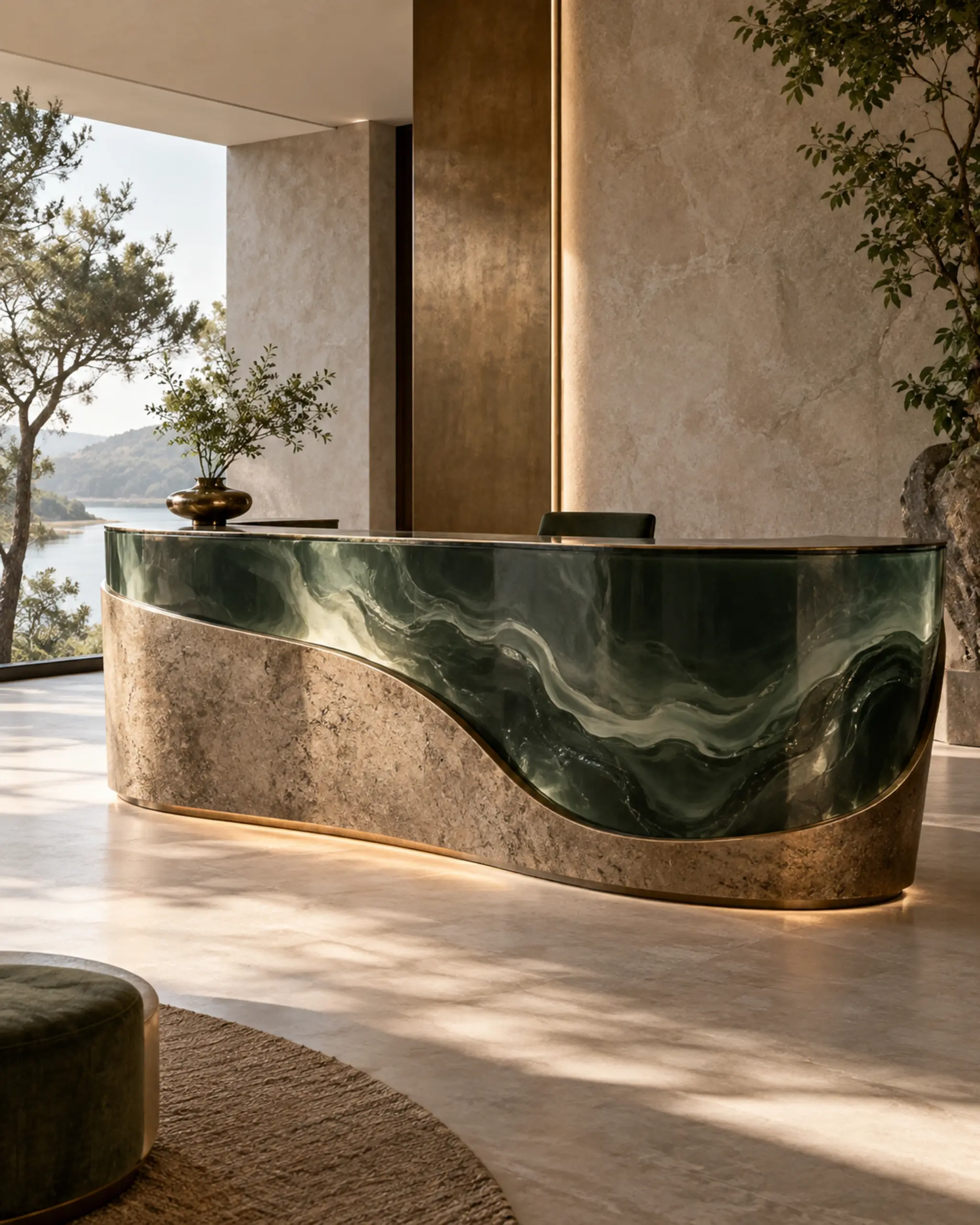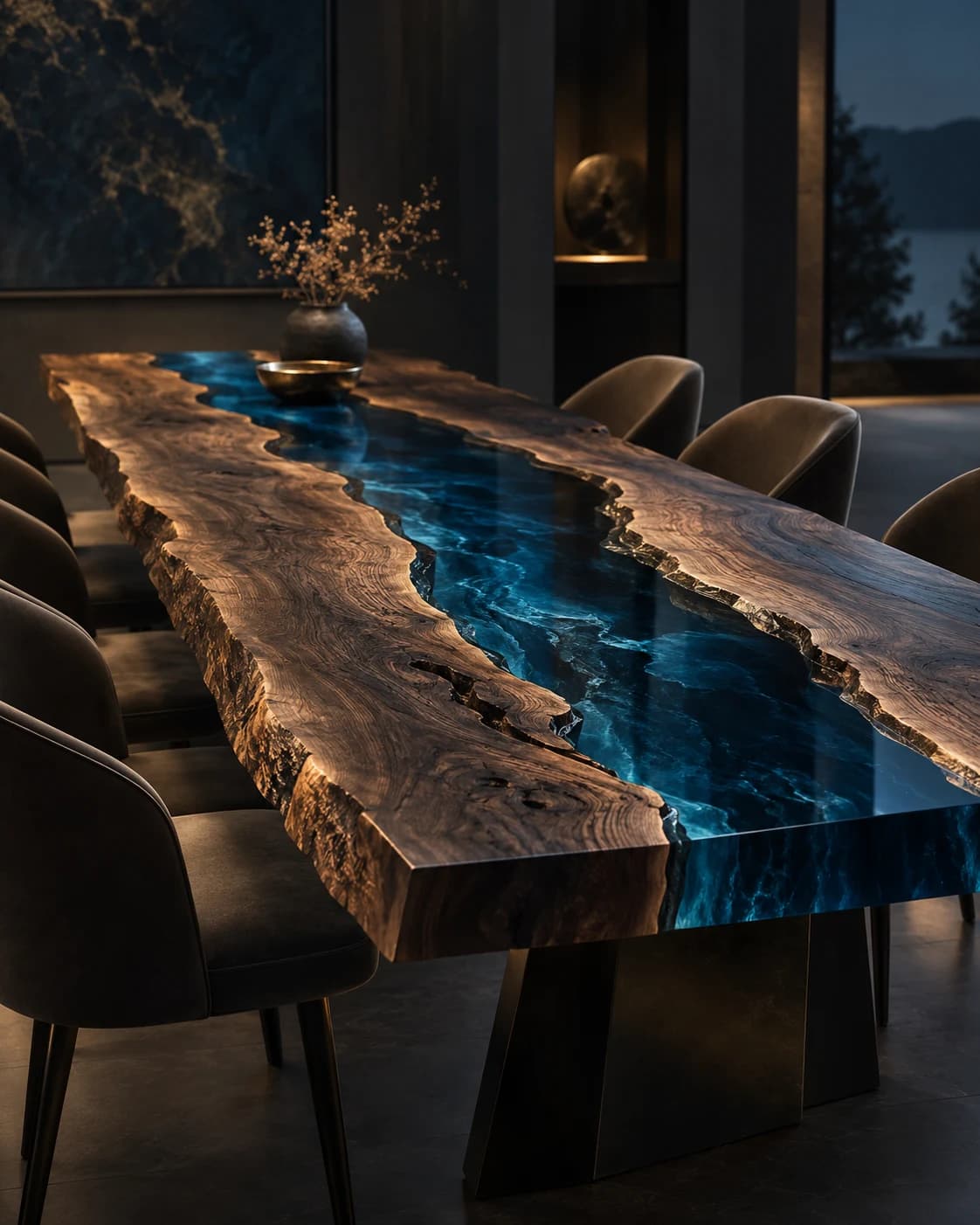
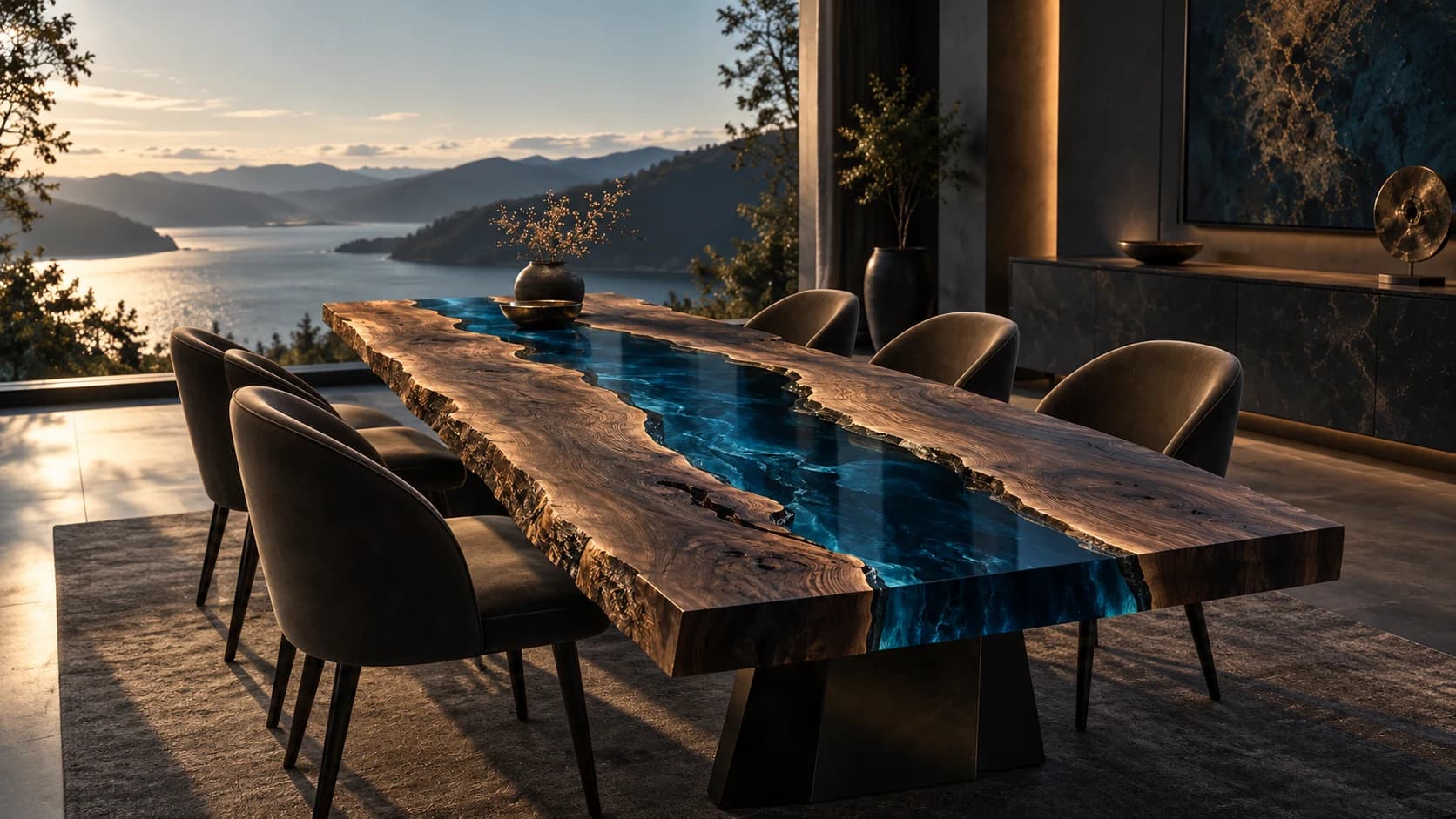
River Channel
Live-Edge Dining Table
Live-edge timber · pigmented resin · metal baseDP001 / Price on request
Turn a collection of preferences into a useful first brief: what the piece is for, where it will live, what is known and which questions still need a conversation.
By RivyaLivingArt · 3 minute read
Start with what you want the object to do in the life of the room. You might be considering a dining table for everyday family use, a desk that becomes the visual centre of a study, or a reception piece that introduces a space to visitors. A plain sentence about purpose gives the design conversation direction before you reach for a particular finish, shape or style label.
Add the practical situations that make this project different. Perhaps existing chairs must remain, the room has another use at weekends, or the piece will be seen mainly from an adjoining area. These details are not small distractions from the creative brief. They explain the context in which the eventual design needs to be assessed and help separate an essential requirement from a passing preference.
List the measurements you actually know, with explicit units and clear labels for width, depth and height. Keep room measurements separate from proposed object dimensions. If something is an estimate, say so. A short annotated sketch can be more useful than several numbers in a message when it shows exactly which opening, wall or existing item each measurement describes.
Select a few references and write one reason for each. You may like the direction of a grain pattern, the quietness of a base or the balance between two surface areas. That reason is the important part of the reference. Without it, someone reading the brief may assume you want the whole object, including details you had barely noticed or would actively prefer to change.
A useful first brief identifies the general project location, intended placement and any access conditions already known. A narrow turn, a lift or a route shared with other work may raise questions that need investigation. Describe the situation rather than promising that delivery will be simple. The actual route and handling arrangements require the relevant people to assess the specific object and site.
Mention related decisions that are still in progress. Flooring, fixed joinery or room layout changes can affect what information is available and when. If an architect or interior designer is involved, identify the coordination role without assuming that one person has approved every part of the proposal. The purpose is to make dependencies visible early, so the design conversation is based on the same understanding of the project.
Explain any date that influences the enquiry and why it matters. An intended move, event or stage of building work is useful context, but it is not a confirmed production or delivery date. Ask what the studio needs to review before it can discuss a realistic sequence. Keep preferred timing separate from any timing that has actually been agreed through the real project process.
Read the brief once as if you were seeing the project for the first time. Can you identify the intended use, the known dimensions, the visual direction and the unresolved constraints? Remove repeated adjectives and retain the observations that explain them. Then write the next questions plainly: what should be measured next, which options are worth exploring and what information is needed to discuss a specification?
Three outlines, many possible rooms. Organise the measurements, seating questions and everyday situations that should shape a dining-table conversation.
Read the story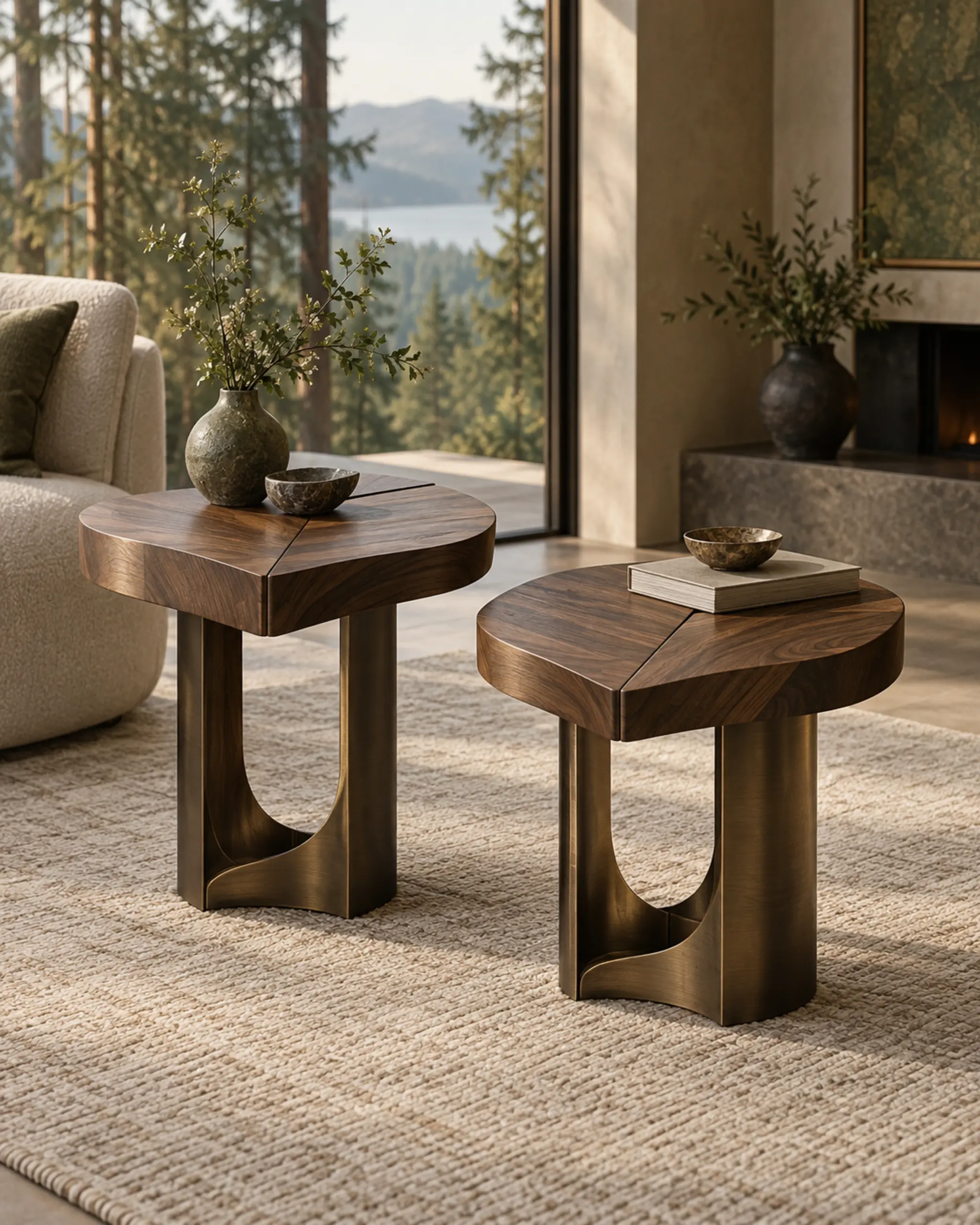
Beside a chair, near a bed or at the edge of a larger arrangement, a small table can have a precise job. Start a custom brief by naming that job.
Read the story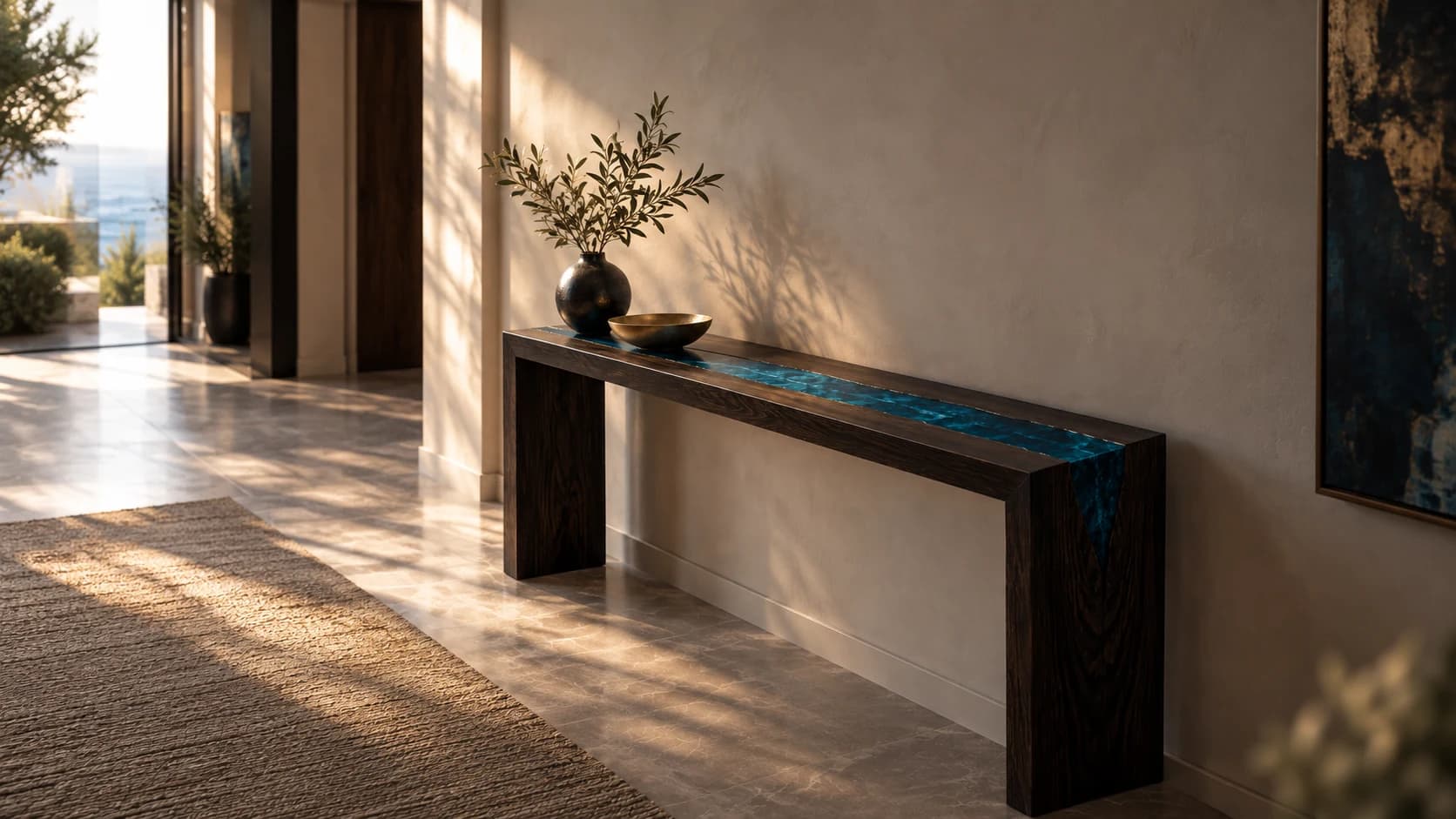
Make the first project exchange easier to interpret with a concise context note, clearly labelled drawings and an explicit list of unresolved specification and coordination questions.
Read the story